
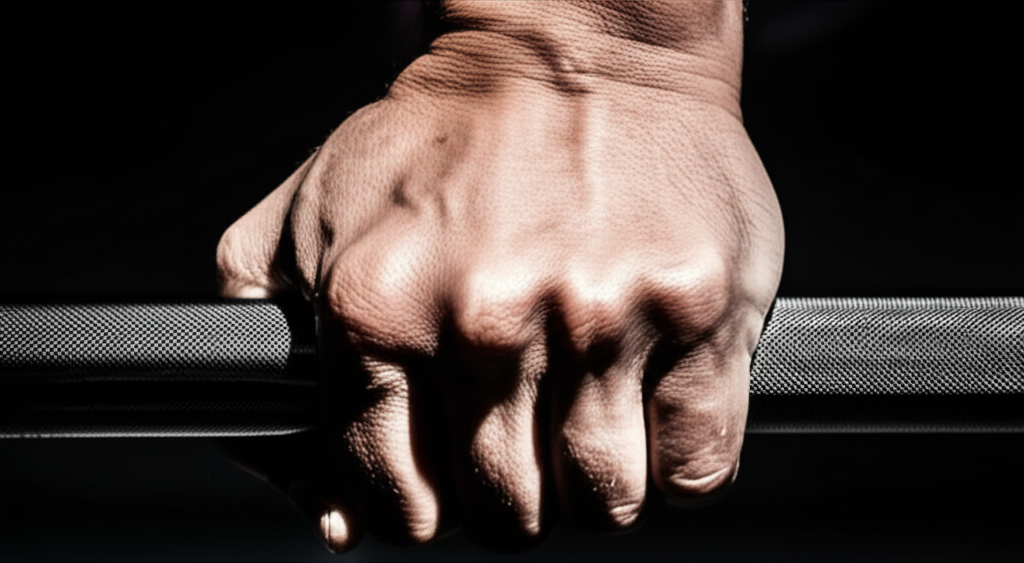
When you’re dedicated to weightlifting, calluses on your hands are almost inevitable. Understanding how to treat calluses on hands from weightlifting is crucial for comfort and continued progress.
These thickened areas of skin form as a protective response to friction. While some calluses are minor, others can become painful and even tear, interrupting your training.
Addressing them effectively allows you to maintain your grip, prevent injury, and lift more comfortably.
Table of Contents
- Understanding Weightlifting Calluses
- Preventing Calluses Before They Start
- Effective Treatment Methods for Existing Calluses
- When to Seek Professional Help
- Maintaining Hand Health for Lifters
Understanding Weightlifting Calluses
Calluses are areas of hardened skin that form due to repeated pressure or friction. For weightlifters, this often happens on the palms and fingers.
This protective layer helps shield the skin beneath. However, excessively thick or dry calluses can become painful and prone to tearing.
What Causes Them?
- Friction: Repeated rubbing against barbells, dumbbells, and pull-up bars.
- Pressure: The sheer weight and grip force applied during lifts.
- Improper Grip: Gripping too tightly or incorrectly can intensify friction.
- Lack of Protection: Not using gloves or appropriate hand care.
Preventing Calluses Before They Start
Proactive measures are key to minimizing callus formation. Integrating these habits can keep your hands smoother.
Prevention is often easier than treating fully developed calluses. Consider these strategies.
Using the Right Gear
- Weightlifting Gloves: Offer a protective barrier, reducing direct friction.
- Chalk: Absorbs sweat, improving grip and minimizing slippage and friction.
- Grip Pads: Provide cushioning without covering the entire hand.
Optimizing Your Grip
A proper grip can significantly reduce stress on your skin. Focus on wrapping your fingers correctly around the bar.
Avoid a ‘death grip’ that bunches skin. Let the bar rest more in the base of your fingers.
Effective Treatment Methods for Existing Calluses
Once calluses have formed, proper care is essential. Ignoring them can lead to discomfort and potential injury.
Regular maintenance will keep your hands healthy. These methods are simple and effective.
Soaking and Filing
Soak your hands in warm water for 10-15 minutes. This softens the callused skin, making it easier to manage.
After soaking, use a pumice stone or callus file. Gently rub away the excess hardened skin. Do not remove too much at once.
Moisturizing Regularly
Apply a rich, hydrating hand cream or balm daily. This keeps the skin supple and prevents excessive drying.
Moisturized calluses are less likely to crack or become painful. Consistency is crucial for optimal results.
Using Callus Shaving Tools
Specialized callus shavers can precisely remove hardened skin. Use these tools with extreme caution to avoid injury.
Follow product instructions carefully. Consult a professional if you are unsure or uncomfortable using these.
When to Seek Professional Help
While most calluses are treatable at home, some situations require expert attention. Do not hesitate to consult a doctor.
Ignoring severe calluses can lead to infections or other complications. Your health is important.
Signs to Look For
- Painful Calluses: If they cause significant pain during or after lifting.
- Bleeding or Tearing: Any open wounds or deep cracks.
- Infection: Redness, swelling, pus, or increased warmth around the callus.
- Persistent Issues: If home treatments are ineffective over time.
Maintaining Hand Health for Lifters
Beyond treatment, ongoing hand care is vital for long-term weightlifting success. Establish a routine for optimal hand health.
Healthy hands can better withstand the demands of training. Incorporate these habits.
Regular Maintenance Routine
Periodically inspect your hands for new or growing calluses. Address them early before they become problematic.
Continue soaking, filing, and moisturizing. This preventative routine makes a significant impact on hand condition.
Listening to Your Body
Pay attention to any discomfort or pain in your hands. Adjust your training or take rest days when needed.
Overtraining or pushing through pain can worsen calluses. Prioritize recovery and self-care for hand health.
FAQ’s
Q: Should I completely remove my calluses?
A: No, completely removing calluses can leave your hands unprotected and more prone to injury. Aim to thin them down to a manageable and comfortable level, retaining a protective layer.
Q: Can weightlifting gloves prevent all calluses?
A: Weightlifting gloves significantly reduce friction and can help minimize callus formation. However, they may not prevent all calluses, especially with very heavy or intense lifting.
Q: How often should I moisturize my hands?
A: Moisturize your hands at least once daily, especially after showering or washing. For best results, consider applying a rich hand cream before bed to allow it to absorb overnight.
Conclusion
In conclusion, managing calluses on hands from weightlifting is a continuous process requiring consistent care. By understanding their causes, implementing preventative measures like proper grip and protective gear, and utilizing effective treatment methods, you can keep your hands healthy and pain-free.
Regular maintenance and knowing when to seek professional help are paramount. Prioritizing hand health ensures you can continue your weightlifting journey comfortably and without interruption.

Ajay Rathod is a fitness enthusiast with several years of hands-on experience in home workouts, strength training, and beginner fitness programs. He researches evidence-based fitness practices and simplifies them for everyday people.