
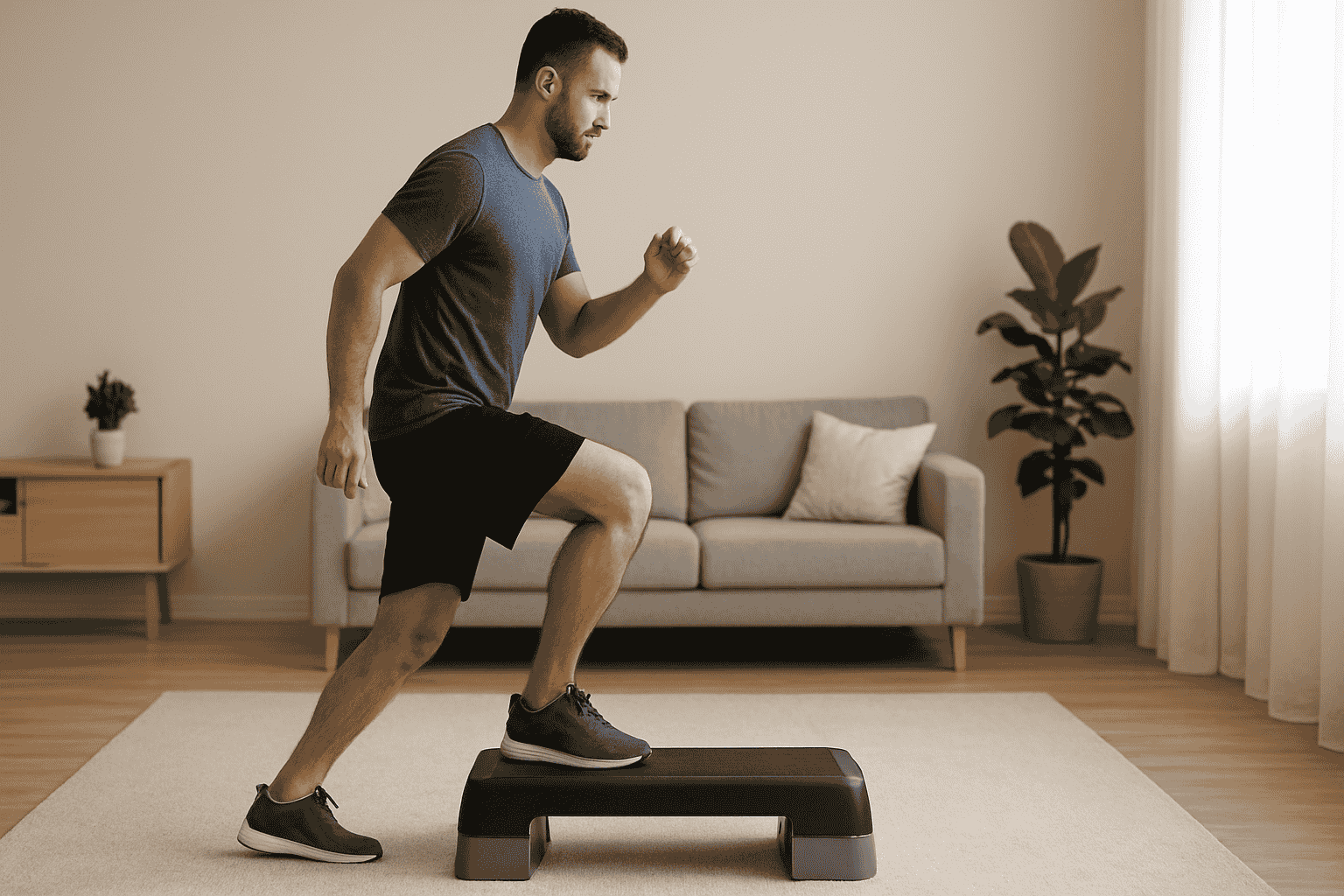
Starting a new fitness journey can feel exciting, but rushing into intense workouts often backfires. Many beginners wonder why is it important to ease into an exercise program instead of diving straight into challenging routines.
Easing into exercise prevents injuries, reduces muscle soreness, and helps your body adapt gradually. It builds lasting habits rather than causing burnout. Starting slowly gives your heart, muscles, and joints time to strengthen safely.
This guide explains the benefits of gradual progression and how to start exercising the right way. You’ll learn practical tips to build a sustainable fitness routine that keeps you healthy and motivated for the long term.
Table of Contents
- Understanding “Easing Into” an Exercise Program
- Primary Reasons to Ease Into Exercise
- Health Risks of Not Easing Into Exercise
- How to Properly Ease Into an Exercise Program?
- Conclusion
Understanding “Easing Into” an Exercise Program
Easing into exercise means starting slowly and building up gradually over time. You begin with light activities and short sessions, then increase intensity and duration as your body gets stronger.
Think of it like learning to drive. You don’t start on a busy highway. You practice in quiet areas first. The same applies to fitness.
Progressive overload is the key principle here. You add a little more challenge each week. This might mean five extra minutes of walking or two more repetitions of an exercise.
Most beginners need four to eight weeks to build a solid foundation. Your muscles, joints, and cardiovascular system all need time to adapt to new physical demands.
Primary Reasons to Ease Into Exercise
Here are the primary reasons to ease into exercise:
1. Injury Prevention
Why injuries happen when you start too fast:
- Your muscles and tendons are not ready for sudden stress
- Ligaments need time to strengthen and support your joints
- Bones can develop stress fractures from too much impact too soon
Common beginner injuries:
- Muscle strains and pulls
- Shin splints from excessive running
- Knee pain from improper form
- Lower back problems from lifting too heavy
- Ankle sprains from unstable movements
How gradual progression protects you:
- Gives connective tissues time to adapt
- Builds strength in supporting muscles
- Allows you to learn proper form without fatigue
- Reduces inflammation and overuse damage
2. Avoiding Burnout and Mental Fatigue
The motivation problem:
- Starting too hard makes exercise feel like punishment
- Extreme soreness discourages you from returning
- Quick fatigue leads to disappointment and quitting
Statistics on exercise dropout:
- About 50% of people quit new exercise programs within six months
- Most drop out because they started too aggressively
- Sustainable habits come from manageable challenges
Building lasting motivation:
- Small wins create positive associations with exercise
- Gradual progress feels rewarding and achievable
- You stay energized instead of exhausted
- Exercise becomes something you enjoy, not dread
3. Allowing Your Body to Adapt
Cardiovascular system changes:
- Heart muscle strengthens over several weeks
- Blood vessels become more efficient
- Lung capacity increases gradually
- Blood pressure regulates with consistent training
Muscular adaptations:
- Muscle fibers repair and grow stronger
- Energy storage in muscles improves
- Endurance develops through repeated sessions
- Coordination between muscle groups enhances
Metabolic improvements:
- Your body learns to burn fat more efficiently
- Insulin sensitivity increases over time
- Metabolism adjusts to support activity levels
- Recovery speed improves with adaptation
Timeline for adaptations:
- Week 1-2: Neurological improvements, better coordination
- Week 3-4: Cardiovascular fitness begins improving
- Week 6-8: Noticeable strength and endurance gains
- Week 12+: Significant body composition changes
4. Building Proper Form and Technique
Why form matters more than intensity:
- Correct movement patterns prevent injury
- Good technique targets the right muscles
- Proper form makes exercises more effective
- Bad habits are hard to break once learned
The learning curve:
- Your brain needs time to master new movements
- Muscle memory develops through repetition
- Fatigue leads to sloppy form and mistakes
- Starting light allows focus on quality
Benefits of mastering basics first:
- Creates a strong foundation for advanced exercises
- Reduces joint wear and tear
- Improves body awareness and control
- Makes future progress safer and faster
5. Managing Muscle Soreness (DOMS)
What is DOMS:
- Delayed Onset Muscle Soreness appears 24-48 hours after exercise
- Caused by microscopic tears in muscle fibers
- Normal response to new or intense activity
- Can be extremely painful if you overdo it
Problems with severe soreness:
- Makes daily activities difficult and painful
- Discourages you from exercising again
- Can last up to a week in extreme cases
- Interferes with sleep and recovery
How easing in helps:
- Causes mild soreness instead of severe pain
- Allows muscles to adapt between sessions
- Keeps you mobile and functional
- Makes the next workout possible and comfortable
Health Risks of Not Easing Into Exercise
Here are the health risks of not easing into exercise:
Extreme Muscle Damage (Rhabdomyolysis)
This is a serious condition where muscle tissue breaks down too quickly. The damaged muscle releases proteins into your bloodstream that can harm your kidneys. In severe cases, it requires hospital treatment. This happens when beginners push themselves to extreme limits without preparation.
Heart and Cardiovascular Strain
Suddenly increasing physical activity puts stress on your heart, especially if you have been inactive for months or years. Your heart needs time to adapt to increased demands. People with unknown heart conditions face higher risks when starting too intensely.
Weakened Immune System
Overtraining suppresses your immune system temporarily. You become more vulnerable to colds, flu, and infections. Your body cannot recover properly when constantly stressed. This makes you sick more often and slows your fitness progress.
Hormonal Imbalances
Excessive exercise without proper progression disrupts your hormones. Cortisol levels stay elevated, causing stress on your body. Sleep quality decreases, and appetite changes unpredictably. Women may experience menstrual cycle irregularities.
Sleep Problems and Poor Recovery
Overtraining leads to restless nights and insomnia. Your nervous system stays overstimulated and cannot relax. Without quality sleep, your muscles cannot repair themselves. This creates a cycle of exhaustion and poor performance.
How to Properly Ease Into an Exercise Program?
Here is how to properly ease into an exercise program:
Step 1: Know Your Starting Point
Before beginning any exercise program, understand where you are right now.
Check these basics:
- Can you walk for 10 minutes without getting too tired?
- Do you have any existing injuries or health conditions?
- How active have you been in the past six months?
- What is your current fitness level honestly?
When to see a doctor first:
- If you are over 40 and have been inactive
- If you have heart disease, diabetes, or high blood pressure
- If you experience chest pain or dizziness
- If you have joint problems or chronic pain
Step 2: Follow the 10 Percent Rule
This simple rule keeps you safe while making steady progress.
What it means: Only increase your exercise by 10 percent each week.
How to apply it:
- Week 1: Walk for 20 minutes, three times
- Week 2: Walk for 22 minutes, three times
- Week 3: Walk for 24 minutes, three times
It works for everything:
- Running distance: Add 10 percent more each week
- Weightlifting: Increase weight by 10 percent when ready
- Workout duration: Add a few minutes gradually
- Repetitions: Do one or two more reps per week
Step 3: Make Rest Days Non-Negotiable
Your body grows stronger during rest, not during exercise.
Why rest matters: ✓ Muscles repair and rebuild on off days ✓ Energy stores get replenished ✓ Your nervous system recovers ✓ Risk of injury drops significantly
Beginner rest schedule:
- Exercise 3 days per week
- Take at least 1 full day off between sessions
- Get 7 to 9 hours of sleep nightly
- Try active recovery like gentle walking or stretching
Step 4: Learn to Listen to Your Body
Your body sends signals that tell you how it is handling exercise.
Good signs (keep going):
- Mild muscle fatigue during exercise
- Slight soreness 1 to 2 days later
- Feeling energized after workouts
- Sleeping better at night
- Improved mood and focus
Warning signs (slow down or stop):
- Sharp or stabbing pain anywhere
- Dizziness or nausea during exercise
- Extreme exhaustion that lasts days
- Pain that gets worse with movement
- Inability to complete daily activities
Step 5: Start with Beginner-Friendly Activities
Choose exercises that match your current fitness level.
Best activities for complete beginners:
→ Walking: Start with 10 to 15 minutes, flat surfaces → Swimming: Low impact, gentle on joints → Cycling: Stationary bike for controlled intensity → Bodyweight exercises: Wall pushups, chair squats → Yoga or stretching: Improves flexibility safely
Sample Week 1 Plan:
- Monday: 15-minute walk
- Tuesday: Rest
- Wednesday: 10-minute stretching
- Thursday: Rest
- Friday: 15-minute walk
- Weekend: Rest or gentle activity
Progression over 8 weeks:
- Weeks 1 to 2: Focus on consistency, not intensity
- Weeks 3 to 4: Add 5 minutes to each session
- Weeks 5 to 6: Introduce slightly harder variations
- Weeks 7 to 8: Increase frequency to 4 days per week
Step 6: Track Your Progress Simply
Keeping records helps you stay motivated and safe.
What to track:
- Date and type of exercise
- Duration or distance covered
- How you felt during and after
- Any pain or discomfort noted
- Sleep quality and energy levels
Easy tracking methods:
- Use a simple notebook or calendar
- Phone apps for walking or running
- Take weekly progress photos
- Note improvements in daily activities
Remember, slow and steady always wins the fitness race. Every small step forward counts toward your long-term health goals.
Conclusion
In conclusion, understanding why is it important to ease into an exercise program can save you from injuries and disappointment. Starting slowly protects your body, builds lasting habits, and keeps you motivated for the long term.
Remember that fitness is a lifelong journey, not a quick race. Give your body time to adapt and strengthen gradually. Listen to warning signs and celebrate small victories along the way.
Start with just 10 to 15 minutes of activity today. Follow the tips in this guide and progress at your own pace. Your future self will thank you for being patient and consistent now.

Ajay Rathod is a fitness enthusiast with several years of hands-on experience in home workouts, strength training, and beginner fitness programs. He researches evidence-based fitness practices and simplifies them for everyday people.